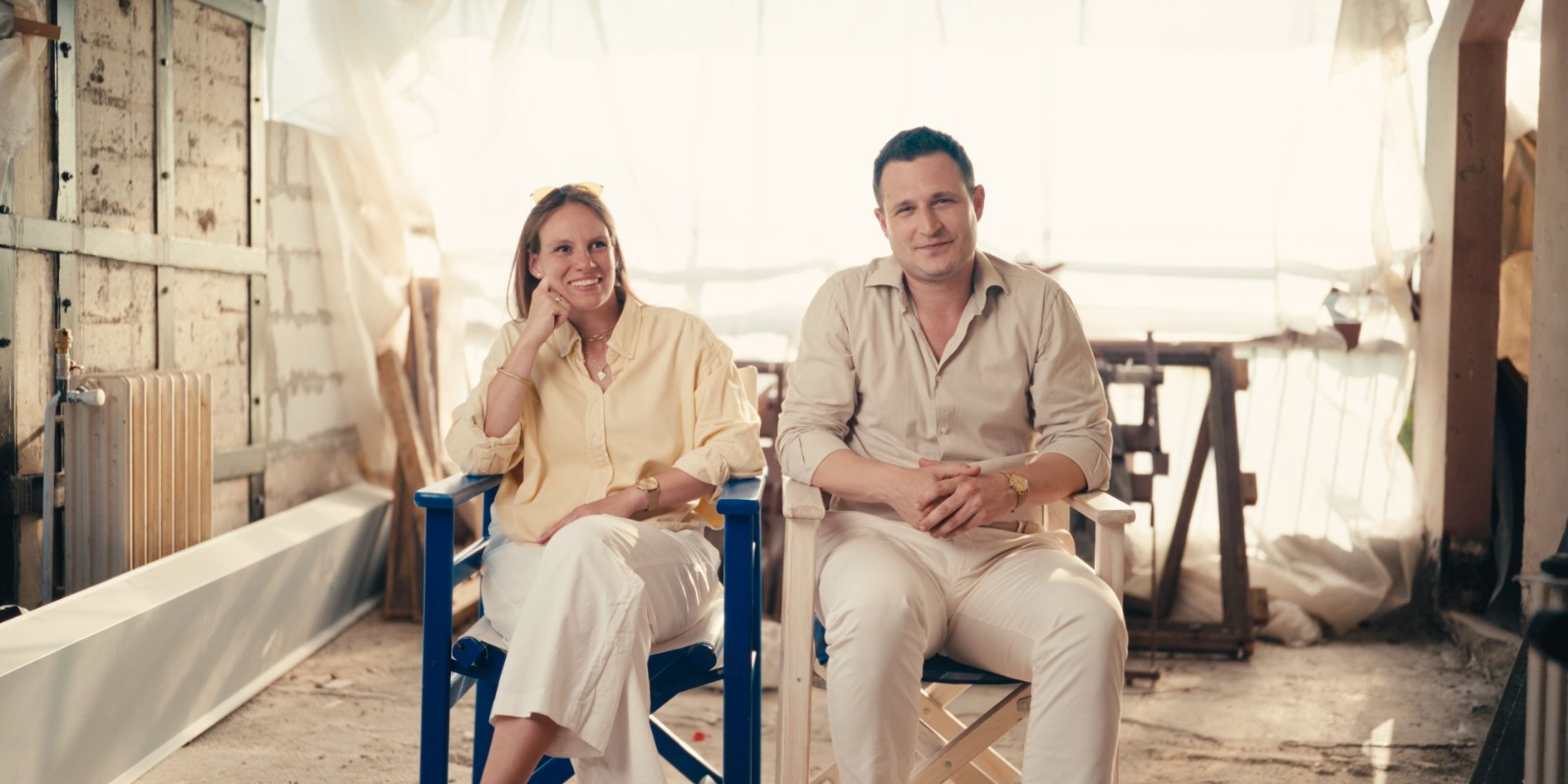
Milan Čedić — known as Čeda — starts his day early.
Before the streets become busy and the first training sessions begin, he has an hour or two of peace. Coffee, preparing his equipment and walking through the still-quiet streets of Zemun are part of a routine that has remained largely unchanged for years.
Čeda has worked as a fitness trainer for fifteen years. He graduated from the Faculty of Sport and Physical Education, although he says physical activity has been part of his life for much longer than his professional career.
He did not choose this work by accident.
Every client requires a different approach
His first clients arrive before work or after taking their children to school.
Čeda prepares the equipment, positions the bench and weights, and then adapts the training plan to each individual.
Some want to lose weight. Others want to become stronger. For some, the main goal is simply to feel comfortable in their own body again.
His role is not only to demonstrate exercises and count repetitions. He needs to listen, understand the person’s goal and find a way for them to reach it together.
“I work differently with every person. My job is to listen to what someone wants and then find a way for us to achieve it together.”
The day quickly finds its rhythm.
One client leaves and another arrives. Six, seven or eight sessions in a single day require both physical and mental focus.
When the final session is over, Čeda wants to rest and go home — not deal with problems involving the apartment he rents out.
The work he understands and the work he does not want to learn through mistakes
Čeda has owned a rental property for years.
What should have provided stable additional income often produced a very different experience: late rent payments, poor maintenance, unpredictable communication and the constant concern that the next phone call might bring another problem.
“Training people is what I love and understand. The property market, contracts and finding a serious tenant are not my profession. And when you do not understand something, it is easy to make a mistake.”
Renting out a property may appear straightforward.
You publish a listing, speak with interested tenants, organise a viewing and sign an agreement.
However, the greatest challenge is often not finding someone willing to move in. It is determining who will pay regularly, take proper care of the apartment and communicate responsibly throughout the tenancy.
When a tenant is not the right choice
The monthly rent is not the only measure of a successful tenancy.
A tenant may accept the price but later fail to respect the agreement, fall behind with payments or neglect the property.
Before signing a lease, it is therefore important to understand:
- who will be living in the property;
- what the prospective tenants do for work;
- how long they plan to stay;
- whether the rent and expenses are sustainable for them;
- what they expect from the owner;
- whether the apartment genuinely suits their lifestyle.
The objective is not to rent the apartment to the first person who responds.
It is to find tenants with whom the owner can have a stable and predictable relationship.
From conversations during training to working together
Bane had been training with Čeda for years.
As he was developing his plans in real estate, they often discussed the type of agency he wanted to build, how he viewed client relationships and what he considered important in business.
When the problems with renting the apartment continued, Čeda decided that he no longer wanted to manage everything alone.
“At one point, I called him and said: ‘Bane, help me. I cannot keep dealing with this on my own.’”
From that point onwards, the process involved much more than simply publishing a listing.
The rent needed to be assessed, the property presented clearly, prospective tenants interviewed, the right people selected and the entire relationship structured properly.
Reliable tenants and less uncertainty
Tenants were found who suited both the apartment and the owner’s conditions.
They pay the rent on time, maintain the property properly and communicate without creating unnecessary stress.
For Čeda, that is the most important result.
He no longer needs to think about who will respond to the listing, whether an interested tenant is serious or whether the agreement has been prepared correctly.
He can focus on his clients and the profession he understands, while people he trusts take care of the property.
You do not have to manage everything yourself
Čeda has other plans involving property in the future.
The difference is that he now knows whom to contact when the time comes to pursue them.
“It is great to have people I trust for things that are not my profession.”
A property can be a valuable investment, but it should not automatically become a second job for its owner.
When the valuation, presentation, tenant selection, agreement and communication are managed properly, renting can generate income without constant uncertainty.
The objective is not simply to find someone willing to move in. It is to find the right people and structure the process so that the owner can have peace of mind.